

Hexapod Tumbler,ISO 9405: 2001
A Hexapod Tumbler is a specialized testing apparatus widely used in the textile and flooring industries to evaluate how materials—especially carpets and similar floor coverings—retain their appearance and resist wear under simulated real‑world conditions. Through controlled tumbling and abrasion, this machine replicates the kind of stress materials receive from repeated use, helping manufacturers, quality engineers, and researchers understand performance and durability before products reach the market.
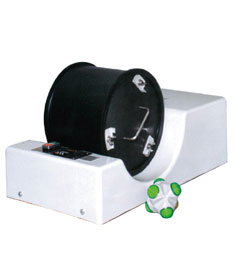
Fundamentals of the Hexapod Tumbler
At its core, a hexapod tumbler consists of a rotating drum equipped with six protruding elements (typically polyurethane feet) that interact with the material sample inside. This “six‑foot” configuration is the origin of the name “hexapod.” During a test, the drum rotates, causing these six feet to repeatedly disturb and abrade the surface of the material mounted inside. The action mimics foot traffic or other repetitive contact that would occur in everyday use, producing wear patterns that help predict long‑term performance.
The tumbling motion is typically controlled and reversible, meaning that the drum changes direction periodically to prevent biased wear and to more realistically simulate random movement. This ensures that the test results more closely reflect what materials experience in real environments rather than uniform, one‑direction abrasion.
Design and Operation
In a hexapod tumbler test, material specimens are affixed to a flexible backing sheet using double‑sided adhesive tape. The backing sheet with attached carpet or textile sample is then fitted to the inner surface of the rotating drum. Once the machine is started, the drum revolves a specified number of times, usually tracked via a counter or digital interface, and the material undergoes repeated contact with the six polyurethane feet inside.
During the test cycle, the material may be taken out periodically for interim evaluation. In carpet testing, samples are often cleaned, for example with a vacuum cleaner, between cycles to simulate practical usage conditions before further abrasion is applied. After completion of all test revolutions, the specimen is evaluated visually or using reference scales specified by testing standards to quantify changes in appearance, texture, pile disturbance, or other wear‑related attributes.
Purpose and Uses
The primary role of the hexapod tumbler is to measure appearance retention and wear resistance. It reveals how materials behave when exposed to friction, impact, and repetitive contact—all factors that contribute to material degradation over time. Commonly, it is used to assess:
Appearance maintenance: how well a carpet or textile preserves its original look under mechanical agitation.
Pile disturbance: the degree to which the surface fibers flatten, mat, or otherwise lose their upright structure.
Surface wear resistance: the ability of material surfaces to withstand abrasion without significant deterioration.
Durability assessment: predicting the lifespan of products or components under repeated use conditions.
Although carpets are the most frequent subject of hexapod tumbler tests, this machine can be applied to other textiles and flexible floor coverings. By adjusting test parameters like number of revolutions, speed, and whether a backing or underlay is present, evaluators can tailor the test to specific materials and use cases.
Standards and Protocols
Hexapod tumblers are used in accordance with various international and industry standards that dictate the testing methodology, specimen preparation, and evaluation criteria. Commonly referenced standards include ISO, British (BS), and other textile testing methods that define acceptable procedures for simulating wear and interpreting results. These standards help ensure that test outcomes are consistent, comparable, and meaningful across labs and manufacturing facilities.
Standards like ISO 9405 and ISO 10361 are typical for carpet appearance retention tests, describing the protocols for both the hexapod tumbler method and comparable abrasion machines. By aligning with these specifications, laboratories can generate data that meet regulatory and quality‑assurance requirements.
Interpretation of Results
After the tumbling process, the material samples are carefully inspected to identify changes. This often involves comparing the tested specimen to a reference scale that correlates visual and tactile changes to numerical scores. Factors evaluated can include:
Degree of texture change or flattening
Color contrast differences due to wear
Surface fuzzying or pilling
Loss of fiber integrity or backing delamination
An overall score or rating is derived to represent the material’s performance under simulated wear conditions. These results influence decisions about design, material selection, and manufacturing processes, allowing product developers to optimize durability and customer satisfaction.
Significance in Material Testing
The hexapod tumbler fills an important niche in textile and carpet testing because it balances speed, realism, and repeatability. Compared to field testing—where materials are placed in actual use environments and evaluated over long time periods—the tumbler accelerates wear and provides quick, standardized feedback within hours or days rather than months or years. This efficiency is particularly valuable for quality control in high‑volume production settings, where understanding material performance before products are shipped can reduce costly field failures.
Furthermore, the method’s ability to simulate realistic wear patterns means that test results often more accurately predict in‑service performance than simpler abrasion tests that rely solely on constant friction. The hexapod’s reversing motion and multidirectional tumbling create a rich mechanical history in the material that resembles actual foot traffic or use patterns.
Broader Applications and Adaptations
While carpet testing remains the most common application, hexapod tumblers are sometimes adapted for research and development contexts beyond flooring. For example, they provide insights into novel textile finishes, performance fabrics, or composite materials where understanding of wear mechanisms is important. By subjecting samples to controlled stress profiles, researchers can identify weaknesses early and guide material innovation.
Additionally, hexapod tumblers contribute to comparative studies, helping assess how different materials or manufacturing techniques influence durability outcomes. This can inform decisions from raw material choice to final product design, making the machine a versatile tool in the materials testing toolkit.
In summary, the hexapod tumbler is a robust environmental testing instrument designed to simulate wear and appearance changes in carpets and textiles through controlled tumbling actions. With a drum equipped with six feet and a reversing mechanism that mimics real‑world abrasion, it provides reproducible insights into how materials withstand repetitive stress. Adhering to established international standards, the hexapod tumbler helps manufacturers and researchers assess performance, improve product durability, and ensure quality before products reach consumers.