

What is Surface Flammability Tester?
In industries such as textiles, toys, construction materials, and protective equipment, testing the surface flammability of materials is a critical step in ensuring product safety. The Surface Flammability Tester is a specialized device that simulates flame contact scenarios to quantitatively evaluate the burning characteristics of material surfaces, providing essential data for quality control. This article explores the device’s technical principles, application scenarios, testing standards, and future development trends.
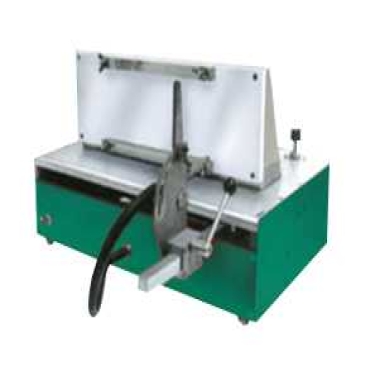
Technical Principles
The core design logic of the Surface Flammability Tester is to precisely control the conditions of flame contact with a material’s surface while recording key parameters of the combustion process through sensors. Its technical implementation typically includes the following modules:
1. Flame Generation and Control Module
The device is equipped with a burner capable of adjustable flame height (e.g., 0–60 mm continuous adjustment). A fuel gas such as propane or butane produces a stable flame. Flame height, temperature, and contact time (e.g., 10 seconds) can be precisely set to simulate different fire exposure scenarios. For instance, a certain model uses a 40 mm vertical flame and a 10-second contact period to assess material surface burning behavior.
2. Sample Fixation and Movement Module
Samples are vertically fixed in a wind-free environment, such as a sealed test chamber. Some devices support horizontal movement of the sample (speed: 150 mm/s ±5 mm/s) to simulate dynamic flame sweeping across the surface. For example, when testing plush fabrics, the flame moves at a constant speed across the material surface to observe whether a surface flash occurs.
3. Data Acquisition and Analysis Module
High-precision sensors monitor combustion parameters in real time, including burning time, flame spread distance, afterflame time, and afterglow time. Certain devices use photoelectric sensors to record the complete process from flame contact to extinguishment, and the collected data is automatically transmitted to the control system to generate a test report.
Application Scenarios
The Surface Flammability Tester has a wide range of applications, covering everyday consumer products and industrial materials. Its primary value lies in preventing fire hazards and ensuring compliance with regulations.
Textiles: Ensuring Home and Apparel Safety
Fluffy fabrics such as carpets, curtains, and blankets have dense surface fibers and can easily facilitate flame spread. Testing surface burning time (e.g., according to GB/T 8745) helps screen products that meet flammability standards. For instance, a certain curtain brand must pass a test in which flame spread does not exceed 150 mm after 5 seconds of flame exposure to enter the market.
Toys: Protecting Children’s Safety
Materials in plush toys or simulated hair must comply with international safety standards such as EN71-1. The tester simulates scenarios where children might contact fire (e.g., a candle flame) to evaluate the material’s flammability. For example, a specific toy bear’s fur must self-extinguish within 10 seconds of flame exposure without producing molten drops to pass the test.
Construction Materials: Enhancing Fire Resistance
Wall coatings, flooring materials, and other construction products must meet standards such as ASTM E84 or IMO A.653(16). Surface flame spread rates are measured to determine fire classification. For instance, a wall material may need a flame spread index ≤25 (Class A) in testing to qualify for use in high-rise buildings.
Protective Equipment: Safeguarding High-Risk Environments
Firefighter suits, chemical protective clothing, and other safety apparel must pass surface flammability tests to ensure they do not accelerate burning upon flame contact. For example, a firefighter suit fabric must self-extinguish within 3 seconds of flame exposure without producing molten droplets, protecting wearer safety.
Testing Standards
Surface Flammability Tester protocols strictly adhere to international and national standards to ensure comparable and authoritative results. Major standards include:
International Standards:
EN71-1: European toy safety standard specifying material burning behavior upon flame contact.
ISO 10047: International standard method for measuring fabric surface burning time.
ASTM E84: U.S. standard for evaluating surface flame spread of building materials.
IMO A.653(16): International Maritime Organization standard for flammability of shipboard decorative materials.
Domestic Standards:
GB/T 8745: Chinese national standard for determining fabric surface burning time.
BS 4569: British standard, similar to EN71-1. for flammability testing of toys and children’s products.
Example: GB/T 8745 Testing Procedure
Prepare samples sized 200 mm × 160 mm and fix on the test frame.
Apply flame to the surface for 10 seconds.
Record flame spread distance and afterflame time.
Determine pass/fail criteria (e.g., flame spread ≤150 mm and afterflame time ≤5 seconds).
Future Trends
As material science and safety requirements evolve, Surface Flammability Testers are advancing in the following directions:
Intelligent Data Management
By integrating IoT technology, devices can upload test data in real time to the cloud, enabling remote monitoring and big data analysis. For example, some new models use AI algorithms to automatically identify burning patterns and generate risk rating reports.
Multi-Scenario Simulation
Future devices will support more complex testing environments, such as simulating humid conditions, dynamic loads, or chemical corrosion effects. For instance, research institutions are developing adjustable humidity test chambers to assess fabric flammability in damp environments.
Miniaturization and Portability
For on-site testing, some manufacturers are developing portable testers with battery operation and simplified interfaces for rapid screening. For example, certain handheld units can complete preliminary flammability tests within 10 minutes, suitable for construction sites or warehouses.
As a core tool for material safety testing, the Surface Flammability Tester provides quantitative assessments of fire risks across textiles, toys, construction materials, and protective equipment. With ongoing technological upgrades and standardization, its application will continue to expand, supporting higher safety standards worldwide. Future advancements in intelligence and multi-scenario adaptability will make it an essential safeguard for fire prevention and life protection.