

What is fatigue testing?
Fatigue testing is a testing method used to evaluate the ability of materials, structures, or components to resist failure under repeated loading and unloading conditions. It simulates the cyclic stresses that may be encountered in actual use to predict whether a product will fail due to fatigue during its long-term service life. Fatigue testing is widely used in various industries, including aerospace, automotive, bridges, and machinery manufacturing, to ensure the safety and reliability of products. This type of testing is crucial in the engineering field because it helps predict the lifespan of products in actual use and identify potential failure points.
Fatigue testing simulates the stress conditions of materials in actual use by applying periodic loads (usually alternating loads) to evaluate their durability and fatigue life.
The purpose of fatigue testing is to determine the reliability and safety of materials or structures during long-term use and to identify factors that may lead to failure.
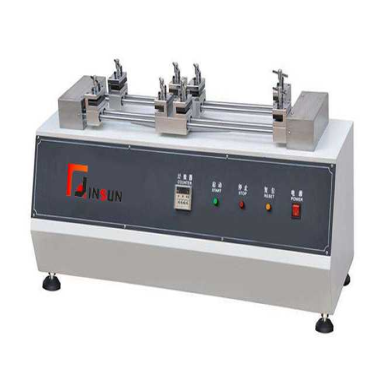
What is the purpose of fatigue testing?
The purpose of fatigue testing is multifaceted and plays a crucial role in various aspects of materials science and engineering. Here are the main objectives in detail:
Understanding Material Behavior: Fatigue testing helps understand how materials behave under cyclic or repeated loading, revealing their characteristics such as endurance limit, fatigue life, and the nature of crack initiation and propagation.
Predicting Material Failure: By simulating the repeated stresses that materials will face in real-world applications, fatigue testing allows engineers and scientists to predict when and how materials will fail. This understanding is crucial for designing components that will not fail unexpectedly.
Improving Material Design: Insights gained from fatigue testing enable engineers to optimize materials and designs, leading to the production of products with improved performance, durability, and reliability.
Ensuring Compliance with Standards: Different industries have specific standards that materials must meet to ensure safety and performance. Fatigue testing ensures that materials comply with these standards, whether they are international standards (such as ISO) or standards specific to a region or industry (such as ASTM).
Quality Management: In manufacturing environments, fatigue testing serves as a quality control tool, ensuring that manufactured materials meet the required specifications and performance standards.
Enhancing Safety: In safety-critical applications such as aerospace, automotive, or construction, understanding material fatigue is essential to prevent catastrophic failures that could lead to accidents or loss of life.
Supporting Research and Development: Fatigue testing is a vital tool in research and development, enabling the creation of new materials with desired properties and the improvement of existing materials for new applications.
Five Common Fatigue Testing Methods
Cyclic Loading Test: Simulating Real-World Usage Conditions
Cyclic loading testing is one of the most common fatigue testing methods. It simulates the repeated stress that a product may encounter during actual use by applying periodic loads or stresses. This method is suitable for testing various mechanical parts, electronic components, and structural materials.
When conducting cyclic loading tests, the following points should be noted:
1. Determine appropriate loading frequency and amplitude, as close as possible to actual usage conditions.
2. Monitor the product's deformation, cracks, and other conditions during the test to promptly identify potential problems.
3. Record the number of cycles before product failure and analyze the failure mode and cause.
Through cyclic loading testing, the fatigue life of a product can be effectively evaluated, providing important basis for product design and improvement.
Temperature Cycling Test: Verifying Product Thermal Stability
Temperature cycling testing is another important fatigue testing method, mainly used to evaluate the performance and reliability of products in different temperature environments. This method is particularly suitable for electronic products, aerospace components, and equipment that needs to operate under extreme temperature conditions.
The key steps of temperature cycling testing include:
1. Set an appropriate temperature range and number of cycles, considering the product's actual operating environment.
2. Control the heating and cooling rates to avoid additional stress caused by rapid temperature changes.
3. Conduct functional tests after each temperature cycle to ensure that product performance is not affected.
4. Observe and record changes in product appearance and performance, and analyze possible failure mechanisms.
Through temperature cycling testing, problems that may occur during temperature changes, such as solder joint cracking and material deformation, can be identified, thereby optimizing product design and improving its heat resistance.
Vibration Fatigue Testing: Evaluating Vibration Resistance
Vibration fatigue testing is an important method for simulating the vibration environment that a product may encounter during transportation and use, and evaluating its vibration resistance and structural integrity. This test is widely used in the automotive, aerospace, and electronics industries.
When conducting vibration fatigue testing, the following aspects should be considered:
1. Select appropriate vibration frequency and amplitude based on the product's operating environment.
2. Consider multi-axis vibration testing to comprehensively evaluate the product's vibration resistance.
3. Use accelerometers to monitor the product's vibration response in real time.
4. Analyze the resonance frequency and modal characteristics of the product during vibration. Through vibration fatigue testing, weak points in the product under vibration conditions, such as loose bolts and welding fractures, can be identified, thus allowing for optimization of product design and improvement of its reliability.
Humidity and temperature cycling test: Testing resistance to humidity and heat
Humidity and temperature cycling testing is a fatigue testing method that simulates the long-term use of a product in a high-temperature and high-humidity environment. This test is particularly important for evaluating the product's corrosion resistance, sealing performance, and the resistance of its materials to humidity and heat aging.
Main Steps
1. Set appropriate temperature, humidity ranges, and cycle periods.
2. Control the rate of temperature and humidity changes to avoid condensation caused by rapid environmental changes.
3. Regularly inspect the product's appearance and performance, and record any signs of corrosion, deformation, etc.
4. Conduct a comprehensive functional and performance evaluation after the test.
Through humid heat cycling testing, the long-term reliability of the product in high-temperature and high-humidity environments can be evaluated, potential problems such as circuit board corrosion and material aging can be identified, providing important basis for product design and material selection.
Electrical Stress Testing: Evaluating Electronic Component Durability
Electrical stress testing is a fatigue testing method specifically for electronic products and electrical equipment. This test evaluates the long-term reliability of electronic components and circuits by applying voltage or current higher than normal operating conditions.
Key points of electrical stress testing include:
1. Determine appropriate voltage or current stress levels based on product specifications.
2. Design reasonable test time and number of cycles.
3. Monitor changes in electrical parameters during the test, such as leakage current and insulation resistance.
4. Analyze component failure modes, such as breakdown and aging.
Through electrical stress testing, the service life of electronic products can be effectively evaluated, potential electrical faults can be identified, and the long-term reliability of the product can be improved.
Application Examples of Fatigue Testing
1. Automotive Industry
• Car body frame: Optimize body structure design through fatigue testing to improve vehicle safety and durability.
• Suspension system: Study the fatigue characteristics of components such as shock absorbers and springs to ensure smooth and comfortable driving.
2. Aerospace
• Aircraft structure: Conduct fatigue tests on key parts such as wings, fuselage, and landing gear to verify their reliability and safety under extreme conditions.
• Engine blades: Simulate high-altitude flight environments to test the fatigue resistance of turbine blades under high temperature and high pressure.
3. Civil Engineering
• Bridge structures: Evaluate the fatigue life of bridges under the influence of traffic flow and natural factors (such as wind and earthquakes), guiding maintenance plans.
• Building components: Study the fatigue performance of basic components such as concrete beams and columns to ensure the overall stability and durability of buildings. 4. Mechanical Manufacturing
• Gear Transmission: Optimizing gear design through fatigue testing to reduce wear and noise and extend service life.
• Bearings: Testing the fatigue limit of rolling bearings under different operating conditions to improve the efficiency and reliability of mechanical equipment.
5. Materials Research: Evaluating the fatigue performance of different materials to provide a basis for material selection and design.
6. Product Quality Control: Ensuring product quality and reliability and reducing accidents caused by fatigue failure.
7. Medical Applications: In clinical practice, fatigue testing can be used to assist in the diagnosis of certain diseases, such as myasthenia gravis.
In conclusion, fatigue testing stands as an indispensable cornerstone across a vast array of industries and research domains. Its ability to accurately simulate real - world stress conditions, predict material failure, and offer insights for design improvement is invaluable. From ensuring the safety of vehicles on the road and aircraft in the sky to maintaining the structural integrity of bridges and buildings, and from enhancing the performance of mechanical components to guaranteeing the reliability of electronic products, fatigue testing plays a pivotal role. As technology continues to advance and new materials and products emerge, fatigue testing will undoubtedly evolve and adapt, remaining a vital tool for safeguarding human life, improving product quality, and driving innovation forward.