

FAQs About Automatic Fabric Inspection Machine
In the production process of the textile and garment industry, fabric inspection is a crucial link in ensuring product quality. Fabric inspection machines, as the core equipment in this process, directly determine the efficiency of subsequent cutting and sewing processes and the quality of the finished product. As the textile industry accelerates its transformation towards intelligence and automation, traditional fabric inspection methods are no longer sufficient to meet the demands of large-scale, high-efficiency production. This is where Automatic Fabric Inspection Machines become particularly valuable.
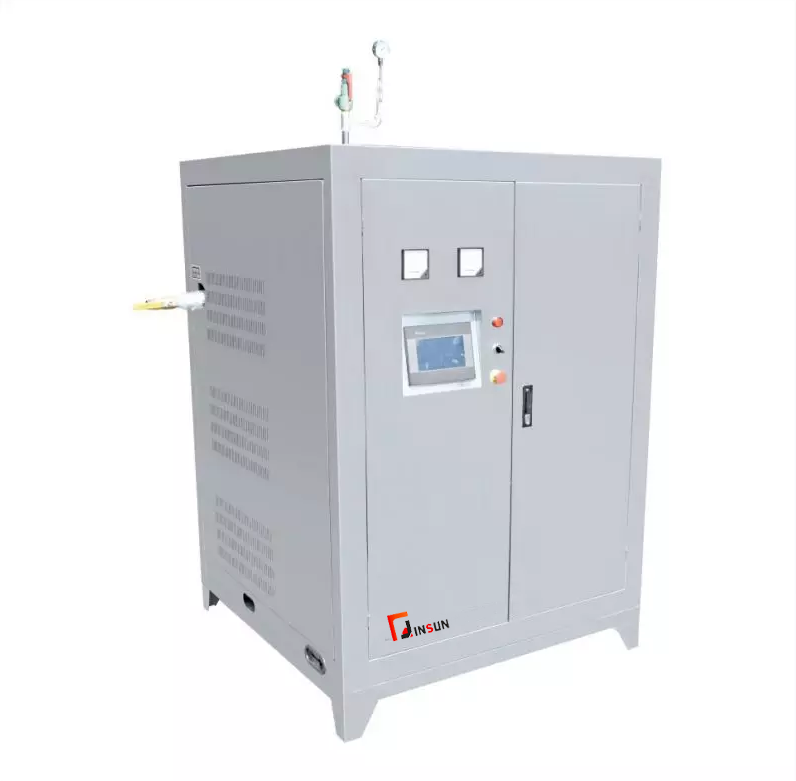
1.What are the core functions and value of Automatic Fabric Inspection Machines?
The core function of a fabric inspection machine is to identify defects, color differences, and weft skew in the fabric surface through high-precision detection technology, and automatically complete marking, classification, and winding operations. Its application scenarios cover various fields, including textile printing and dyeing enterprises, garment processing plants, and fabric wholesalers. Taking garment processing plants as an example, traditional manual fabric inspection is inefficient, with a daily inspection volume usually not exceeding 500 meters, and a defect detection rate as high as 15%; however, with the use of high-speed fully automatic fabric inspection machines, the inspection efficiency can be increased to 3000 meters/hour, the defect detection rate is controlled within 2%, and labor costs are reduced by more than 30%. In addition, automatic edge-aligning winding fabric inspection machines, through an intelligent correction system, can control the fabric winding deviation within ±1 millimeter, significantly improving the utilization rate of subsequent cutting and saving raw material costs for enterprises.
In the printing and dyeing industry, the application of fabric inspection machines is equally crucial. During the printing and dyeing process, fabrics may produce defective products due to uneven dyeing, shrinkage rate differences, and other problems. The multi-spectral detection module equipped in the new fabric inspection machines can analyze the fabric color distribution in real time, and combined with AI algorithms, identify subtle color differences, reducing the defect rate from the industry average of 8% to below 3%. After a large printing and dyeing enterprise introduced fabric inspection machines from Dongguan Yida Machinery Technology Co., Ltd., it saved over 2 million yuan in rework costs annually and shortened the product delivery cycle by 40%.
2.What is automated testing?
Automated testing, simply put, is the use of automated testing tools and scripts to complete specified testing tasks. The testing process does not require human intervention, but the preparation before automated testing requires manual configuration. It is a method of entrusting repetitive and tedious testing tasks to the computer itself, which can significantly improve testing efficiency, reduce personnel costs, and improve test coverage and accuracy. Automated testing can execute a large number of test tasks in a short time, greatly reducing the time and labor costs required for testing. Automated test scripts can be executed repeatedly; you only need to ensure that the test cases are run after the software project is deployed to repeat the testing tasks. If the initial automated software configuration is reasonable and correct, the accuracy and consistency of the test results are guaranteed. Automated testing is an important part of achieving continuous integration and continuous delivery.
3.How to conduct fabric testing?
Fabric testing is a crucial step in ensuring the quality and safety of textiles, directly related to product market access and consumer trust. A correct testing process helps companies identify potential quality problems, optimize production processes, and meet regulatory requirements in different countries and regions. Fabric testing usually includes multiple dimensions such as physical performance testing, chemical substance testing, and functional evaluation, and needs to be carried out according to internationally accepted testing standards. When choosing a professional testing institution, it is necessary to focus on its accreditation scope, compliance of testing methods, and service coverage capabilities to ensure that the test results have international credibility.
4.What are the standard procedures for fabric testing?
Professional fabric testing usually includes five key steps:
Sample collection: Obtain representative samples according to standard sampling methods.
Pre-treatment: Balance the samples in a standard temperature and humidity environment.
Laboratory testing: Conduct quantitative analysis using calibrated equipment.
Data evaluation: Judge compliance against limit requirements.
Report issuance: Provide a formal document containing test methods and results.
5.What is the 7.0 system in garment inspection?
The GOTS 7.0 system is part of the Global Organic Textile Standard (GOTS), which provides comprehensive guidance and requirements for the organic production of textiles and garments. This system ensures that the ecological and labor conditions throughout the entire supply chain meet organic production standards. The GOTS 7.0 implementation manual provides explanations and clarifications of specific guidelines, ensuring that certification bodies and users can correctly understand and apply these standards. The GOTS 7.0 Implementation Manual is a flexible quality assurance tool that provides guidance and clarification when needed. It does not address revisions to the current standard version, nor does it set any criteria for revisions.
The GOTS 7.0 Implementation Manual should be considered a tool provided to all GOTS-authorized certification bodies and GOTS users to ensure that the production of organic textiles and apparel complies with internationally recognized organic standards.
6.How should fabric testing samples be prepared?
Sample preparation should follow three principles: representativeness (including all colors and process variations); quantity (sufficient for repeated testing, usually 0.5-1 meter of fabric per color); and completeness (including all accessories and care labels). Hohenstein recommends that companies fill out a detailed application form before sending samples, specifying information such as fiber composition and finishing processes, which will significantly improve testing efficiency. For special functional fabrics, the specific performance requirements for testing should also be stated.
7.Which AQL level is used for fabric inspection?
AQL – the "universal language" of quality inspection
AQL (Acceptable Quality Limit) is essentially a universally recognized "quality tolerance agreement" in manufacturing. It defines the worst acceptable average quality level in a series of product batch inspections. Simply put, AQL is like a traffic light, providing clear quality judgment standards for both buyers and sellers: when the product defect rate is lower than the agreed AQL value, the entire batch of products is acceptable; otherwise, it must be rejected.
AQL standards vary significantly across different industries.
Apparel and textile industry: Typically uses AQL 2.5 (minor defects), meaning that a maximum of 2.5 non-fatal defects are allowed per 100 products. For example, for an order of 3000 garments, 125 pieces are sampled according to AQL 2.5 standards, and acceptance is granted if the number of defective items is ≤7.
Electronic components industry: Standards are much stricter, with AQL values mostly between 0.01 and 1.5. For example, incoming inspection of resistors uses AQL 0.4%, sampling 125 out of 1000 products, allowing a maximum of 1 defective item.
Military/medical industry: The AQL value for critical defects is ≤0.65. ensuring extremely high reliability for safety-related products.
A smaller AQL value represents stricter quality requirements. Remember a simple principle: AQL 0.65 is more demanding than AQL 2.5; the former is common in precision components, while the latter is mostly used for daily necessities. In summary, from the core functions and value of fabric inspection machines to automated testing, fabric testing, inspection standard procedures, related systems, sample preparation, and AQL levels, all aspects revolve around the crucial point of quality control in the textile and garment industry. These elements are interconnected and mutually influential, collectively building a comprehensive quality assurance system for the textile and garment industry, helping companies win consumer trust with high-quality products and achieve sustainable development in the fierce market competition.